System status: operational

Autonomous disaster response

911, packaged
into a drone.

When weather stations fail, roads flood, and ground teams can't reach victims, Sentinel deploys autonomously to sense, detect, and deliver.

89%
detection recall
<2%
sensor error
2 ft
drop precision
$1,000
per unit

01 — The problem

Response fails in the window that matters.

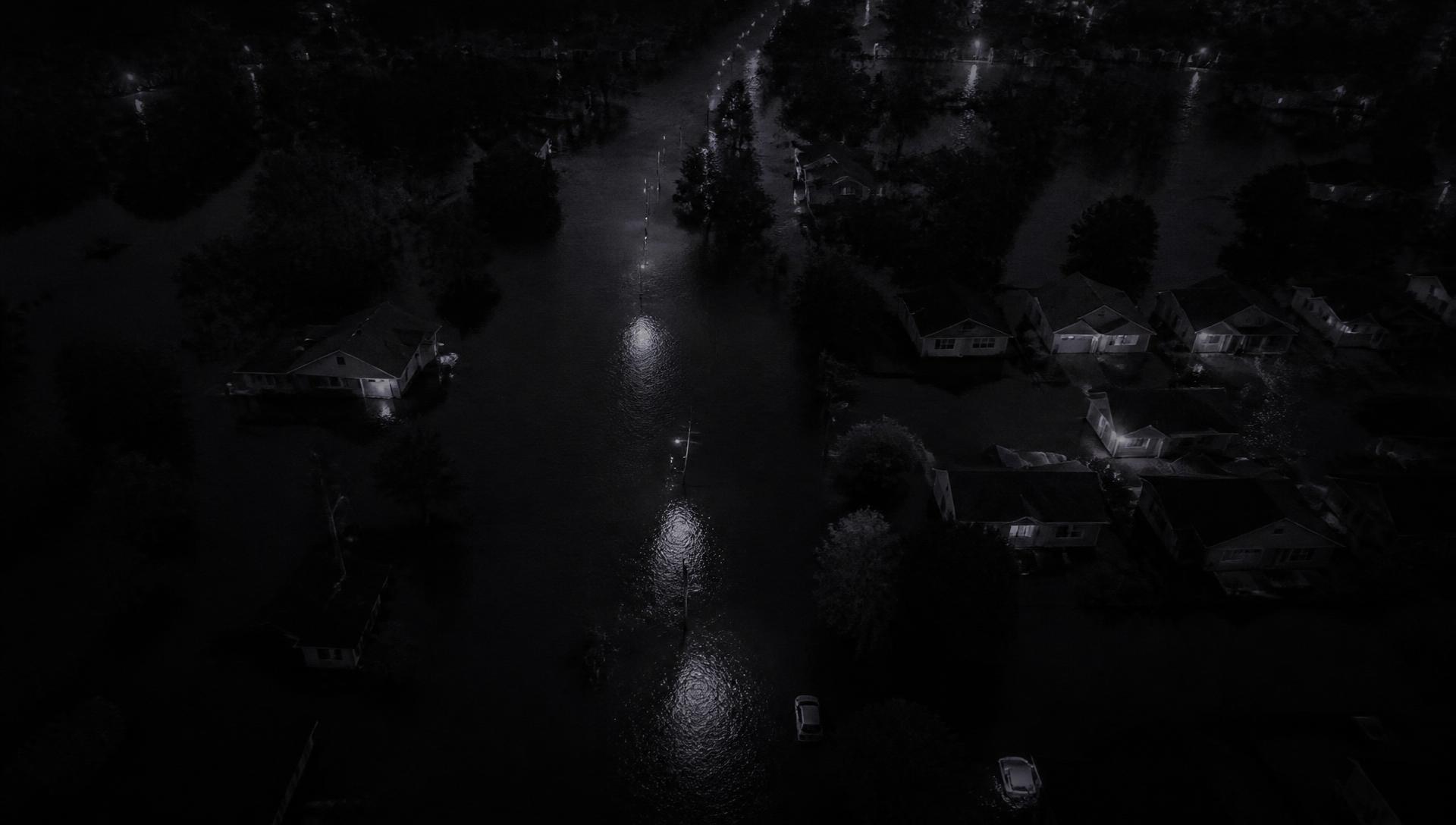
Aerial night view of a flooded residential street grid
Aerial survey · residential grid submerged · night 02:41

$182.7B

In damage across the 27 billion-dollar disasters the U.S. recorded in 2024.

90% <10%

Survival rates collapse after the first 72 hours of a disaster.

Weather stations go offline. Roads flood before supplies arrive. Ground teams can't reach victims. The first 72 hours are the window that matters most — and current response infrastructure fails in exactly that window.

02 — The system

Three capabilities,
one autonomous airframe.

Sense, detect, deliver — each validated independently, then flown as a single mission profile under SentinelOS.

02.1

Sense

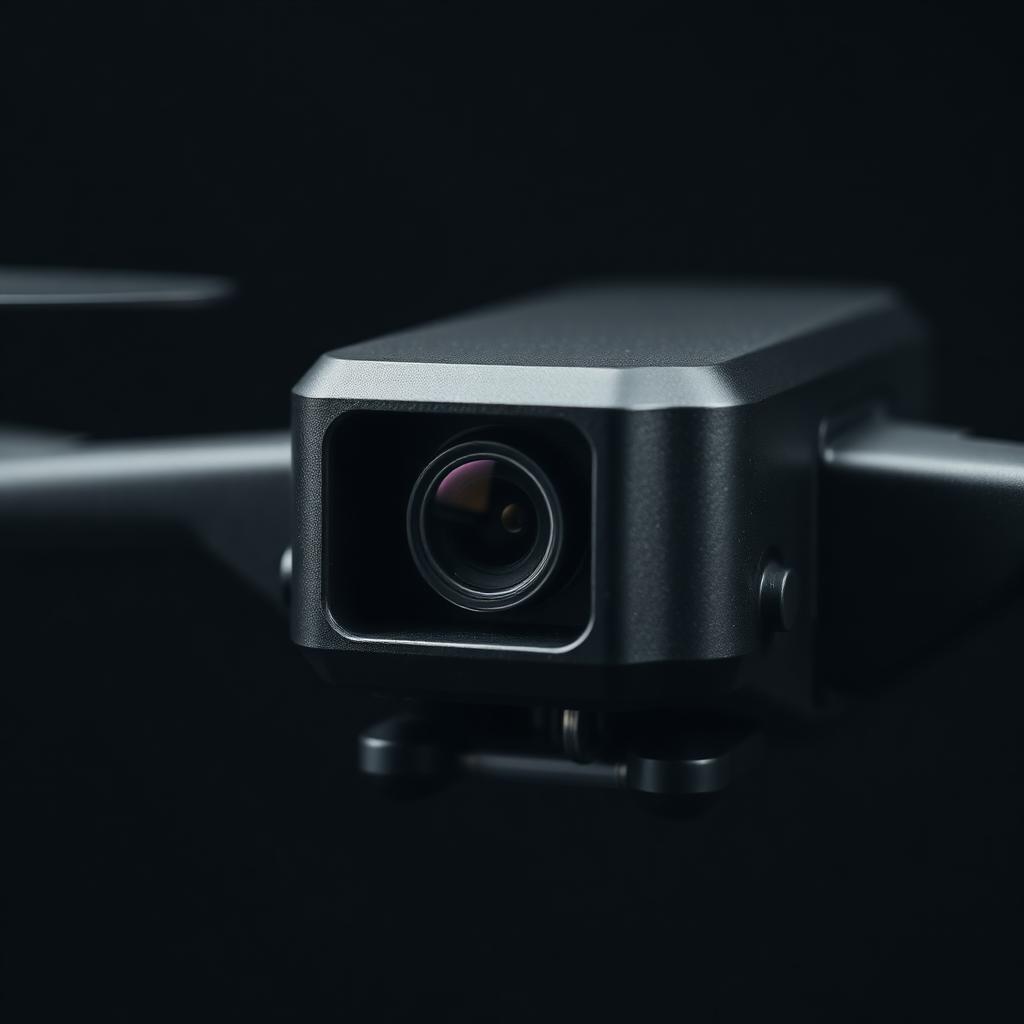
Close-up of the Sentinel sensor housing and camera module

An onboard weather sensor maps hyperlocal conditions — temperature, humidity, pressure — from inside the disaster zone, feeding SentinelOS to generate street-level risk maps for dispatchers.

Temperature
±0.3 °C
Humidity
±1.8% RH
Pressure
hyperlocal

<2% error

50% more spatially accurate than fixed weather stations
02.2

Detect

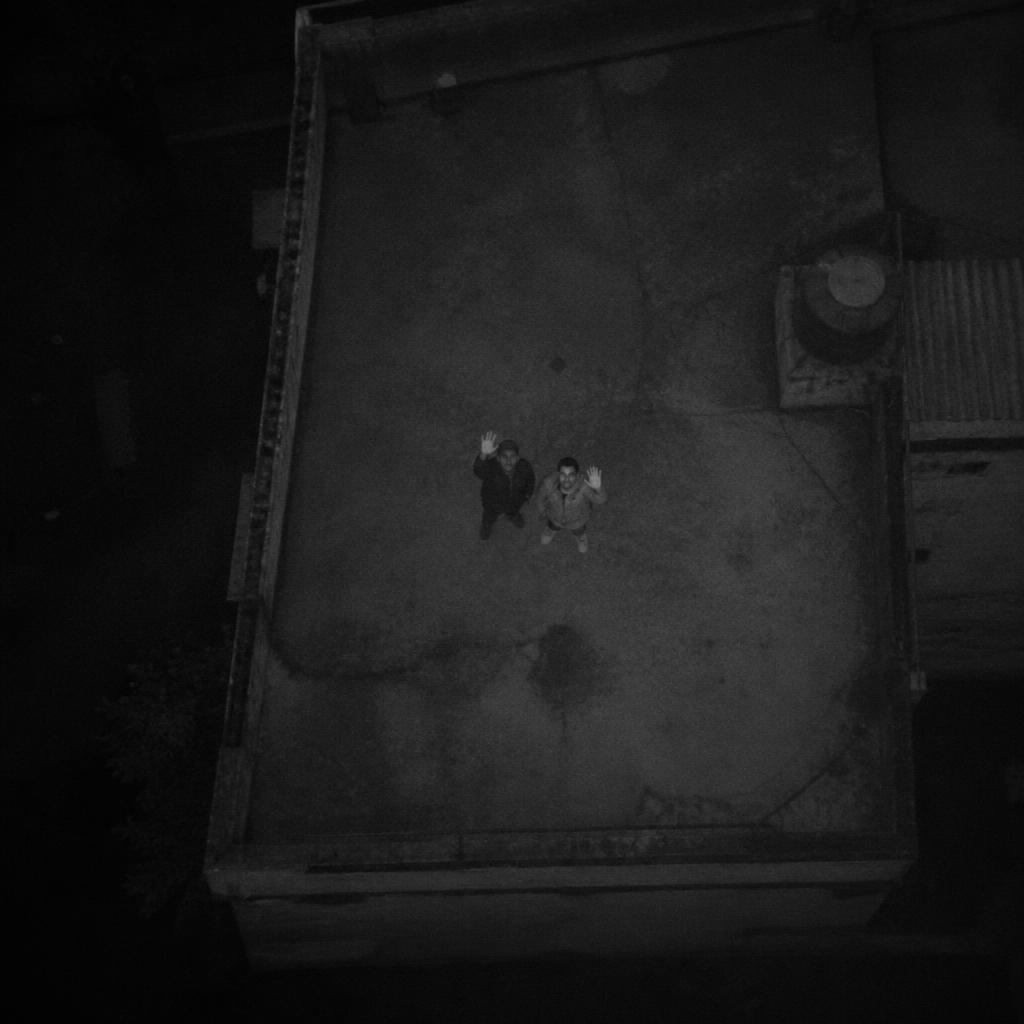
Overhead low-light drone view of two survivors waving from a rooftop

Computer vision trained on NOAA datasets identifies stranded survivors, smoke zones, and floodwaters, flagging each as a reviewable incident in the dispatcher queue.

Training data
NOAA
Targets
Survivors · smoke · flood
Baseline
60%

89% recall

versus a 60% industry baseline

02.3

Deliver

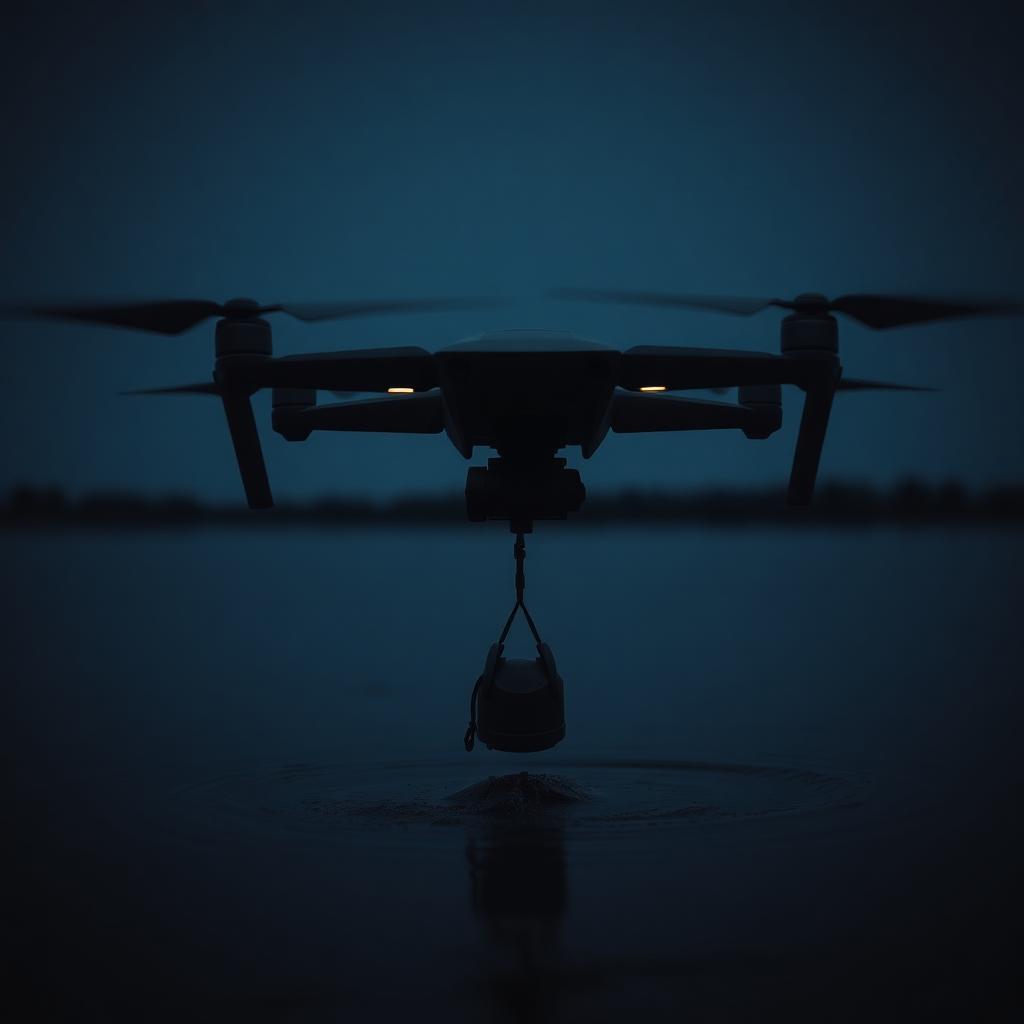
Sentinel drone lowering a supply pod above floodwater at dusk

A servo-controlled release mechanism drops medicine, food, and communication kits within two feet of any coordinate, in winds up to 25 mph.

Wind tolerance
25 mph
Validated drops
20
Payload
Med · food · comms

2 ft accuracy

90% success across 20 real-world drop tests

Dispatcher monitoring live feeds in a darkened emergency operations center

03 — SentinelOS

Eyes in the sky,
supplies on the ground,
in minutes.

Every sensor reading and vision detection lands in one dispatcher console: street-level risk maps, flagged survivors as reviewable incidents, and a proposed drone route a human approves before the payload releases.

SentinelOS · Dispatch console
SNTL-1 · Airborne · 04:12
SURVIVOR 01SURVIVOR 02SURVIVOR 03
FloodwaterFire lineRoute
Mission tickets · 4 open
  • TKT-0417Awaiting approval

    3 survivors flagged · rooftop

    89% conf · 1.2 mi

  • TKT-0418

    Floodwater across FM-1844

    Route blocked · reroute

  • TKT-0419

    Smoke zone expanding NE

    Wind 21 mph · 240°

  • TKT-0420

    Supply drop requested

    Med kit · 2 units

04 — Why Sentinel

One platform
instead of three
vendors.

Today a county that wants weather sensing, survivor detection, and supply delivery buys from three separate vendors — none of which do all three, and none under roughly $20,000 per unit. At ~$1,000 per unit, an agency can field 20 Sentinels for the cost of one traditional emergency drone.

Hyperlocal weather sensing

Sentinel
Tomorrow.io / Open-Meteo
Skydio / DJI
Zipline / Wing

Operates inside the disaster zone

Sentinel
Tomorrow.io / Open-Meteo
Skydio / DJI
Zipline / Wing

Survivor detection (CV)

Sentinel
Tomorrow.io / Open-Meteo
Skydio / DJI
Zipline / Wing

Fully autonomous operation

Sentinel
Tomorrow.io / Open-Meteo
n/a
Skydio / DJI
Zipline / Wing

Supply delivery

Sentinel
Tomorrow.io / Open-Meteo
Skydio / DJI
Zipline / Wing

Extreme-weather capable

Sentinel
Tomorrow.io / Open-Meteo
n/a
Skydio / DJI
Zipline / Wing

Cost per unit

Sentinel
~$1,000
Tomorrow.io / Open-Meteo
Skydio / DJI
$20,000+
Zipline / Wing
$20,000+
● Full capability◐ Partial○ None

05 — Market

6,200 agencies.
A $122M market.

Sentinel is built for U.S. emergency management agencies, fire and rescue departments, and disaster-relief NGOs. Initial go-to-market is the 200 highest-risk counties in Texas, Florida, and California, where disaster budgets are largest and grant funding already exists for this class of technology.

6,200
agencies
$122M
market
200
target counties

06 — Traction

  • 20+customer interviews completed
  • Top 0.5%Conrad Challenge
  • Top 10SWC Dallas

Early interest

Rusk County Emergency ManagementBishop Fire DepartmentDallas District Fire Chief

07 — Origin

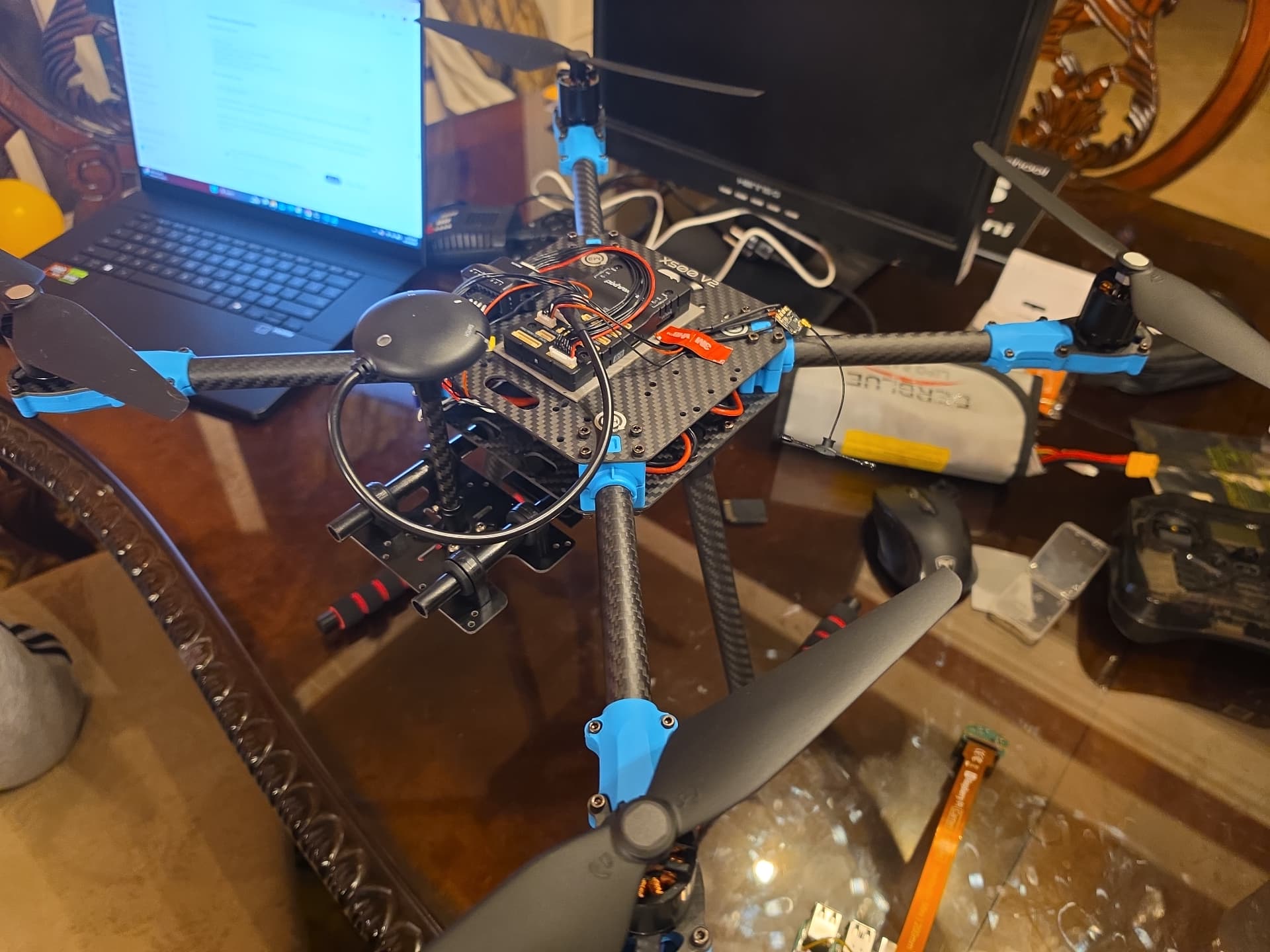
Sentinel was founded after growing up with flooding in Texas firsthand — with a personal stake in making sure disaster response doesn't fail people in the first 72 hours the way it failed his neighborhood.

Sentinel prototype airframe under assembly on a workbench with flight controller, GPS mast, and battery wired in
SNTL prototype · X500 V2 airframe · bench integration