 Search
Coverage without crews
A single Sentinel sweeps a neighborhood grid in minutes, prioritizing where ground teams should go instead of guessing.
Impact
Sentinel exists to change one number: how many people are found and supplied before the survival curve collapses.
01 — Response timeline
A conventional response spends the same window staging crews. Sentinel spends it producing information and dropping supplies.
Event declared
Dispatcher launches Sentinel from the SentinelOS console; no crew staging required.
Hyperlocal sensing
Street-level temperature, humidity, and pressure replace failed fixed weather stations.
Survivor detection
Onboard computer vision flags people in rubble and water, ticketing each hit for dispatch.
Supply delivery
Water, medical kits, and radios land within two feet of the located survivor.
02 — Where it shows up
SearchA single Sentinel sweeps a neighborhood grid in minutes, prioritizing where ground teams should go instead of guessing.
 Sustain
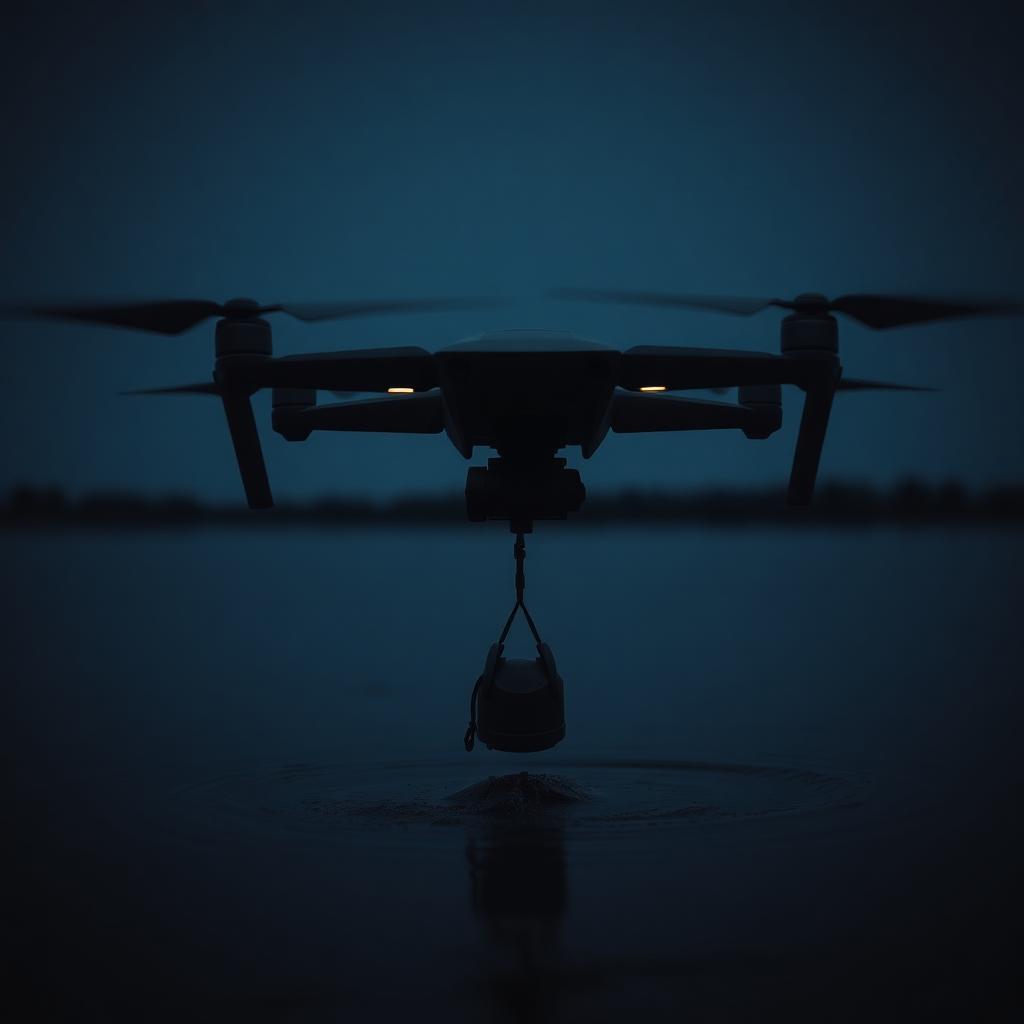
Blocked roads stop trucks, not aircraft. Sentinel keeps isolated households supplied until access is restored.
 Decide
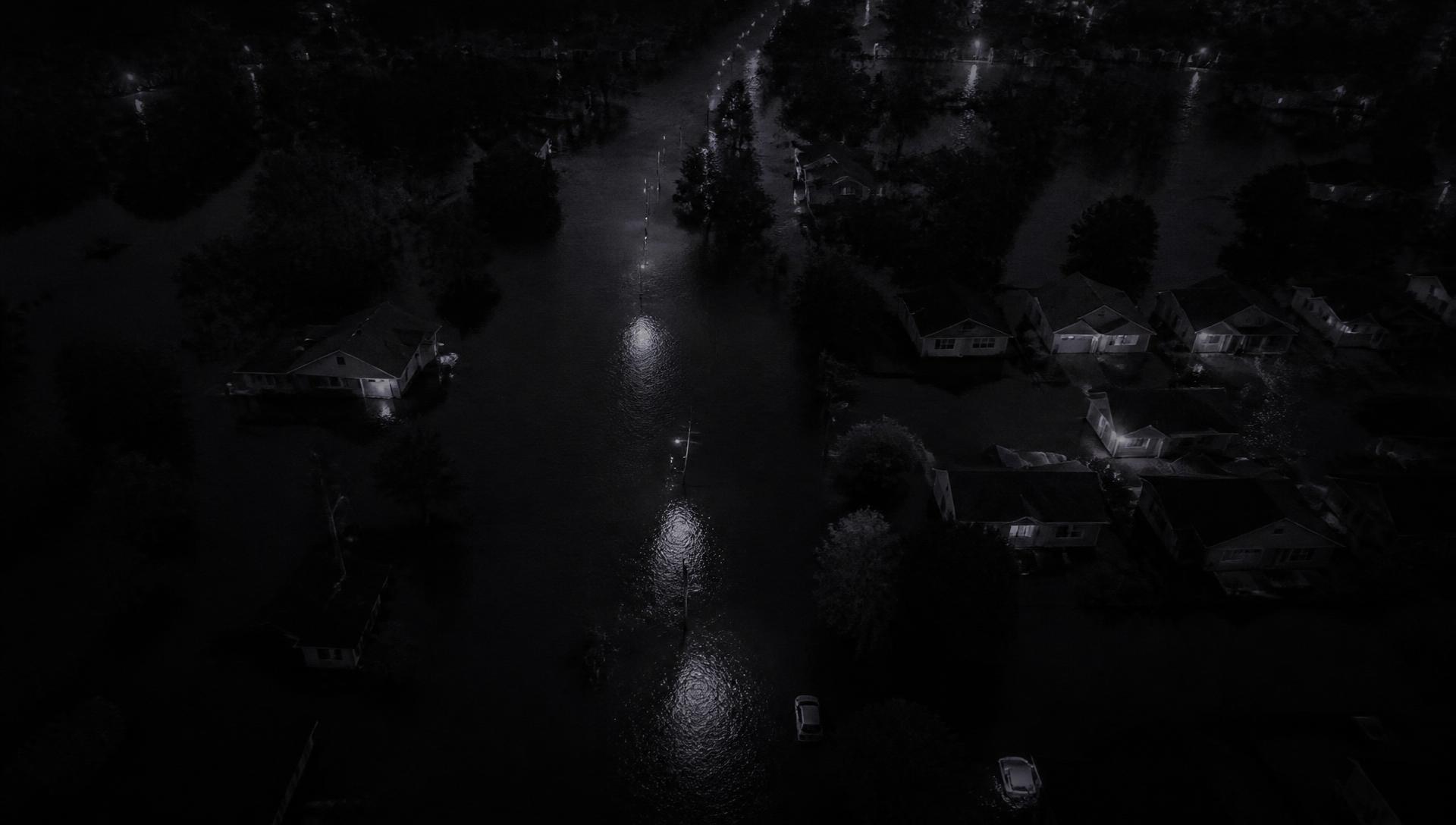
Every sensor reading, detection, and delivery lands in SentinelOS so command sees one live map, not four radio channels.
03 — Scale
Sentinel's initial go-to-market targets the 200 highest-risk counties in Texas, Florida, and California — the jurisdictions with the largest disaster budgets and existing grant funding for this class of technology.
Bring Sentinel to your county